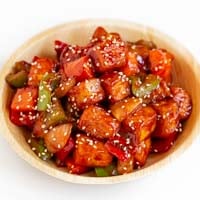
Discover the Delightful World of Vegan Chinese Recipes
Chinese cuisine, renowned globally for its diverse flavors, aromatic spices, and incredible textures, holds a special place in the hearts of food lovers everywhere. From sizzling stir-fries to comforting noodle soups, the vast array of dishes offers something for every palate. What many might not realize is just how naturally accommodating and utterly delicious Chinese food can be for a plant-based diet. Far from being a niche adaptation, many traditional Chinese dishes are already inherently vegan, thanks to centuries-old Buddhist culinary traditions, or can be easily transformed with simple substitutions.
Embarking on a journey to create authentic and mouth-watering vegan Chinese recipes at home is not only achievable but incredibly rewarding. You'll discover a vibrant palette of fresh vegetables, versatile proteins like tofu and mushrooms, and a symphony of sauces that bring everything together. This guide will walk you through the essentials, proving that you don't need meat or dairy to enjoy the rich, complex flavors of Chinese cooking. Get ready to explore the exciting possibilities and transform your kitchen into a haven of plant-based Chinese culinary magic.
The Vibrant World of Vegan Chinese Cuisine
The foundation of Chinese cuisine is deeply rooted in an appreciation for fresh produce, grains, and legumes. This makes it an ideal canvas for exploring **vegan Chinese recipes**. Unlike some other cuisines where meat is the undeniable star, Chinese cooking often features meat as a flavor enhancer or in smaller quantities, allowing vegetables, noodles, and rice to shine. Buddhist vegetarian cuisine, a significant part of Chinese culinary history, has perfected the art of crafting incredibly flavorful and satisfying plant-based dishes without relying on animal products.
When you delve into vegan Chinese recipes, you'll find that many of the core ingredients are already plant-based. The focus is on a harmonious blend of textures and tastes, achieved through a diverse array of plant-based components:
- Tofu: A staple protein available in various consistencies, perfect for absorbing flavors.
- Mushrooms: Shiitake, oyster, king oyster, and enoki mushrooms add incredible umami and meaty textures.
- Noodles: Wheat noodles, rice vermicelli, cellophane noodles, and eggless chow mein noodles are all excellent choices.
- Rice: The foundation of countless meals, from fluffy steamed rice to flavorful fried rice.
- An Abundance of Vegetables: Bok choy, broccoli, bell peppers, carrots, snow peas, green beans, corn, bamboo shoots, water chestnuts, cabbage, and spinach all play crucial roles.
- Aromatics: Ginger, garlic, spring onions, and chili are indispensable for building flavor.
- Sauces & Seasonings: Soy sauce, rice vinegar, sesame oil, chili oil, cornstarch, five-spice powder, and vegan hoisin sauce are key to authentic taste profiles.
By understanding these building blocks, you unlock the potential to create an endless variety of delicious and authentic **vegan Chinese recipes**.
Essential Ingredients and Substitutions for Authentic Vegan Chinese Recipes
Crafting incredible vegan Chinese recipes at home starts with stocking your pantry with the right ingredients and knowing how to make smart substitutions.
Protein Powerhouses
Tofu: This versatile soybean curd is the cornerstone of many vegan Chinese dishes. Firm or extra-firm tofu is excellent for stir-fries, absorbing marinades beautifully and holding its shape. Silken tofu can be used in soups, sauces, or even desserts for a creamy texture.
Mushrooms: Beyond adding a delightful earthy flavor, various mushrooms can mimic the texture of meat. Shiitake mushrooms offer a deep umami, while oyster mushrooms can be shredded for a pulled-pork like consistency, and king oyster mushrooms can be sliced into scallops or steaks.
Tempeh & Seitan: While less traditional, these plant-based proteins can be excellent substitutes for meat in some stir-fries or braised dishes, offering a chewier texture and robust flavor absorption.
Flavor Fundamentals
The magic of Chinese cuisine often lies in its intricate balance of sauces and seasonings. Here are some essentials:
- Soy Sauce: The backbone of many sauces. Opt for low-sodium or tamari for gluten-free options.
- Rice Vinegar: Adds a crucial tang and brightness to dishes.
- Sesame Oil: Used as a finishing oil, it provides a distinctive nutty aroma.
- Chili Oil / Chili Bean Paste: For those who love heat and a complex savory depth.
- Vegan Hoisin Sauce: Many brands are naturally vegan (check labels for honey or fish products). It offers a sweet, savory, and tangy profile.
- Black Bean Sauce: Made from fermented black soybeans, it adds a pungent, salty, and umami punch.
- Vegan Oyster Sauce: An invaluable condiment for mimicking the savory, slightly sweet, and thick texture of traditional oyster sauce, made from mushrooms instead of oysters.
- Cornstarch: Essential for thickening sauces and creating that glossy, restaurant-style finish.
Practical Tip: Building a well-stocked pantry with these core ingredients will empower you to whip up a wide array of **vegan Chinese recipes** with ease and spontaneity.
Mastering Vegan Chinese Cooking Techniques at Home
Cooking authentic vegan Chinese recipes involves more than just ingredients; it also requires understanding fundamental cooking techniques. Don't worry, they are often simpler than you might think!
Stir-Frying
This is perhaps the most iconic Chinese cooking method. It's all about high heat and quick cooking, typically in a wok but a large skillet works perfectly too. The key is to have all your ingredients prepped and ready before you even turn on the heat. This is known as "mise en place."
- High Heat: Get your wok or pan smoking hot.
- Oil: A high smoke point oil like peanut, grapeseed, or canola oil is ideal.
- Aromatics First: Sauté ginger, garlic, and chilies briefly to release their fragrance.
- Harder Vegetables: Add vegetables that take longer to cook (e.g., carrots, broccoli) first.
- Softer Vegetables & Protein: Next, add faster-cooking vegetables (e.g., bell peppers, bok choy) and your tofu or mushrooms.
- Sauce: Finish with your pre-mixed sauce, tossing quickly to coat everything.
Steaming
A healthier cooking method that retains nutrients and natural flavors. Steaming is perfect for dim sum, vegetables, and tofu dishes. A bamboo steamer set over a pot of simmering water is traditional, but a metal steamer basket also works well.
Braising & Stewing
For richer, deeper flavors, braising and stewing are excellent techniques. These involve cooking ingredients slowly in a flavorful liquid, allowing them to tenderize and absorb the sauce. Think braised tofu with mushrooms or a hearty vegetable stew.
Actionable Advice: Don't be afraid to experiment with combinations of vegetables and sauces. The beauty of Chinese cooking is its flexibility. For more advanced cooking tips and specific dish tutorials, check out our next article: vegan chinese recipes - Article 2.
Popular Vegan Chinese Dishes You Can Make
Now that you're armed with knowledge about ingredients and techniques, let's look at some popular and accessible vegan Chinese recipes you can whip up in your own kitchen.
Tofu & Vegetable Stir-Fry
This classic is infinitely customizable. Start with pressed, firm tofu, cut into cubes and pan-fried until golden. Add your favorite medley of vegetables like broccoli, carrots, bell peppers, snow peas, and mushrooms. Finish with a simple sauce of soy sauce, rice vinegar, a touch of sugar, cornstarch, and vegetable broth.
Vegan Mapo Tofu
A Sichuan classic known for its spicy, savory, and numbing flavor. The vegan version swaps ground meat for finely crumbled firm tofu or rehydrated shiitake mushrooms. The essential ingredients are Sichuan peppercorns, fermented black beans (douchi), and chili bean paste (doubanjiang), creating an incredibly complex and satisfying dish.
Vegetable Fried Rice
The ultimate comfort food and a fantastic way to use up leftover rice. Sauté aromatics like garlic and ginger, then add diced carrots, peas, corn, and finely chopped cabbage. Stir in cold day-old rice, a splash of soy sauce, and a dash of sesame oil. Top with chopped spring onions.
Vegan Spring Rolls & Dumplings
Many spring roll wrappers and dumpling skins are naturally vegan (check ingredients for egg). Fill them with a delicious mixture of shredded cabbage, carrots, mushrooms, and glass noodles seasoned with soy sauce and ginger. Fry or steam to perfection and serve with a dipping sauce.
Garlic Bok Choy
A simple yet elegant side dish. Quickly stir-fry bok choy halves or quarters with minced garlic until tender-crisp. A drizzle of soy sauce and a pinch of salt are all you need to highlight its fresh, slightly sweet flavor.
Fact: The simplicity and freshness of dishes like Garlic Bok Choy highlight how many traditional Chinese dishes were already inherently plant-based or easily adaptable due to Buddhist culinary traditions focusing on balance and natural flavors.
If you're eager for even more exciting vegan Chinese recipes and detailed ingredient breakdowns, be sure to read vegan chinese recipes - Article 3.
Conclusion
As you can see, the world of vegan Chinese recipes is vast, flavorful, and incredibly rewarding to explore. From quick weeknight stir-fries to more elaborate festive dishes, the versatility of plant-based ingredients combined with classic Chinese cooking techniques offers endless culinary possibilities. By stocking your pantry with essential vegan ingredients and getting comfortable with fundamental methods, you can confidently recreate authentic and delicious Chinese meals that are entirely plant-based. So, roll up your sleeves, fire up your wok, and prepare to delight your taste buds with the incredible flavors of vegan Chinese cuisine!
